Start with your next destination
A Colca Canyon tour is easier to choose once you know where you want to sleep afterwards. Returning to Arequipa suits a round trip or a flight from the city. Continuing to Puno suits an itinerary heading towards Lake Titicaca. A canyon-floor trek introduces another choice: how many days you can spend walking and whether you want to carry a backpack between simple lodges.
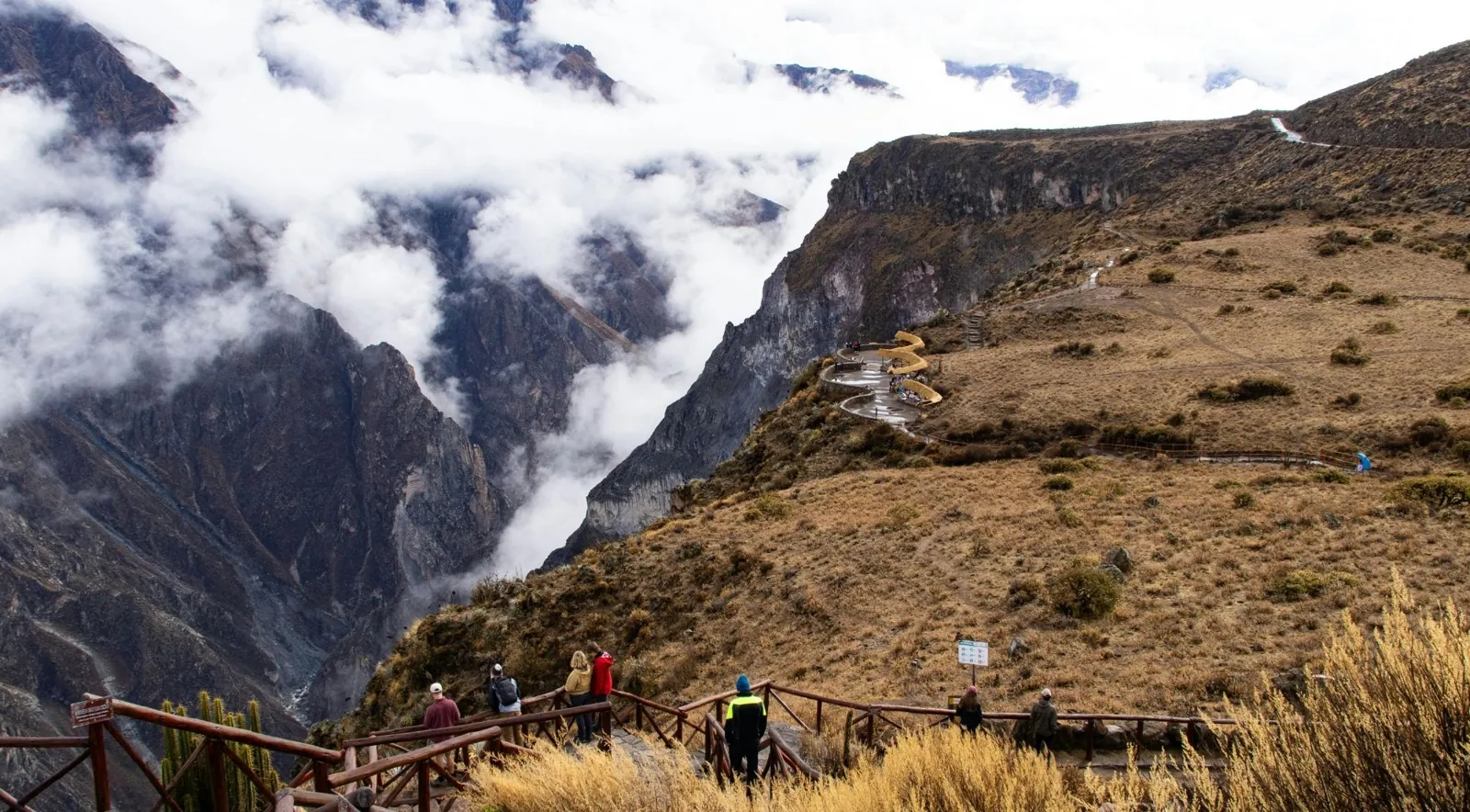
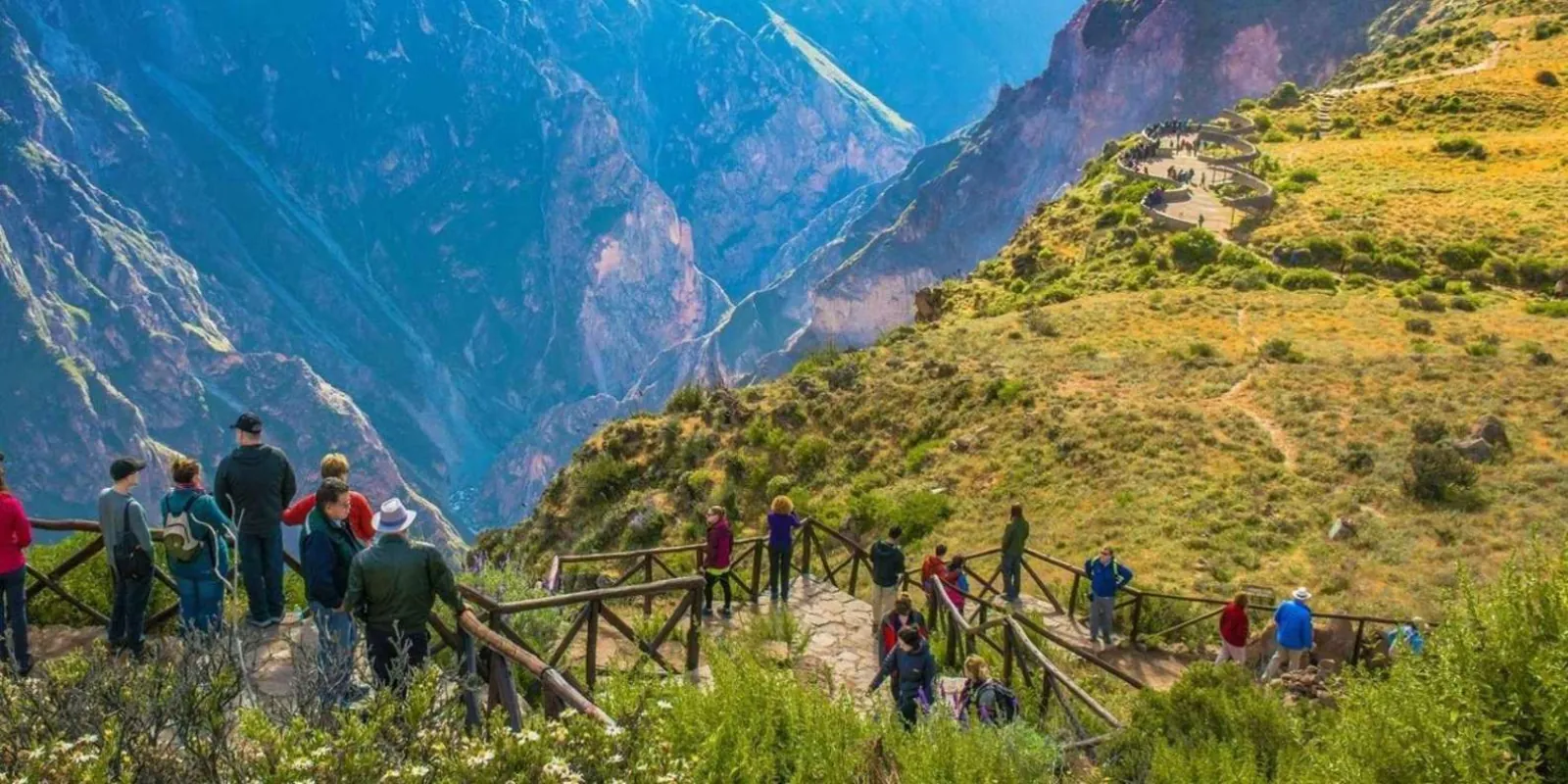
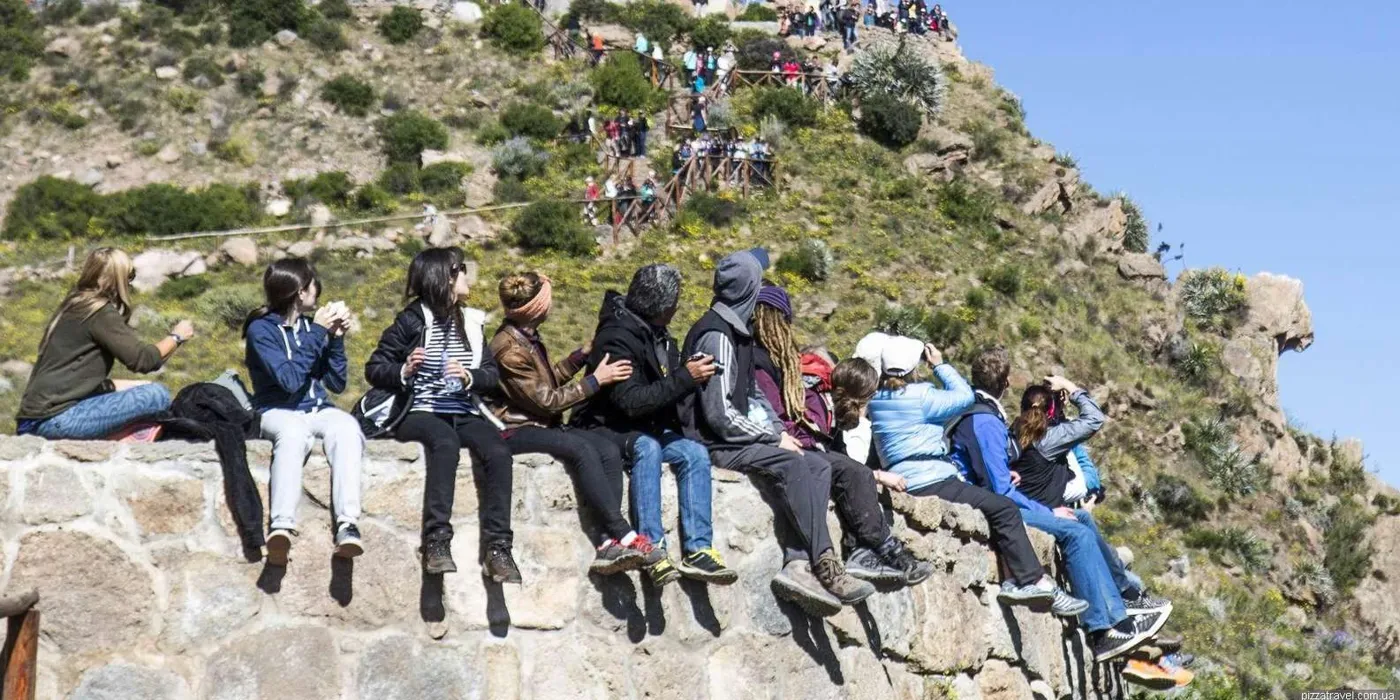
Our starting recommendation for travellers with one free day is the full-day guided tour with meals. It combines transport, a guide, breakfast and lunch, with canyon viewpoints and an optional hot-springs stop. The compromises are a pickup before dawn, substantial driving and exposure to high altitude. It is a sightseeing day, not the two-day hike to Sangalle.
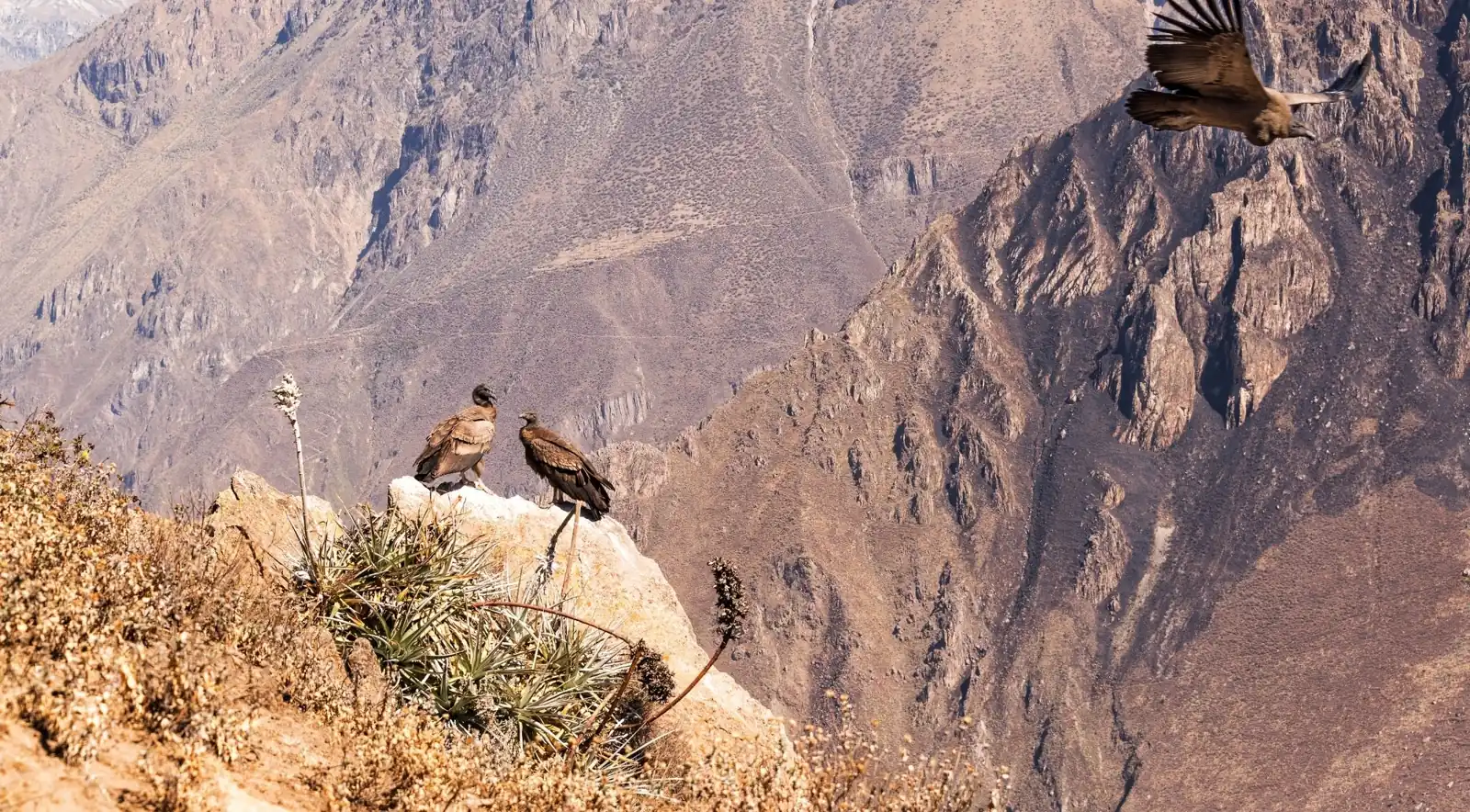
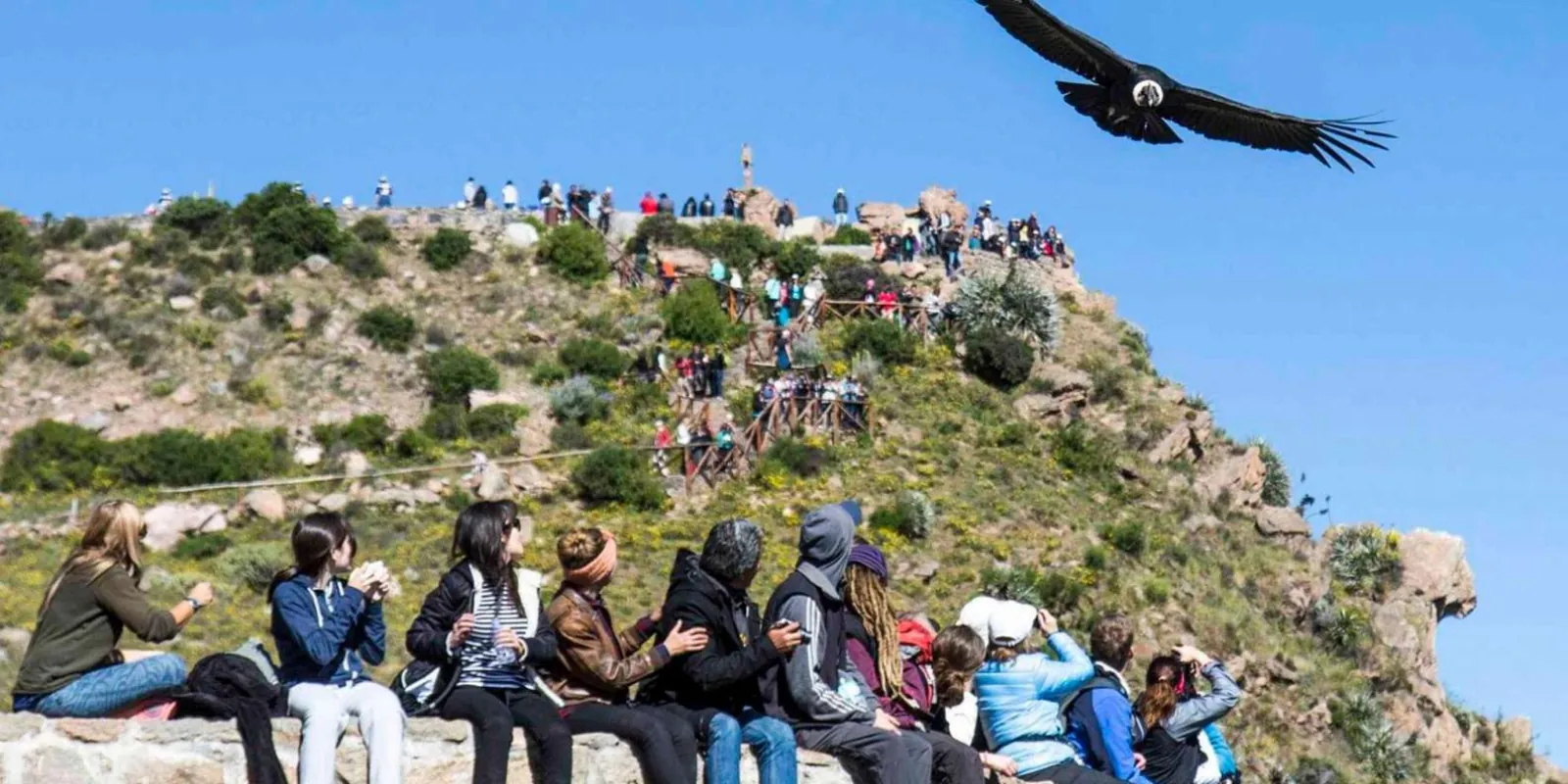
If the alarm is your main objection, compare the 6 a.m. departure. It is sold as a small-group excursion, not a guaranteed private tour, and meals and entrance charges are separate. A later start changes the sequence and timing of the visit; it cannot guarantee better condor sightings.
One day or an overnight stay?
Choose a day tour when you can accept a long excursion and want to return to your Arequipa accommodation. Keep the evening flexible. Published return times are estimates, so a tight bus departure or flight immediately afterwards creates avoidable pressure.
An overnight sightseeing tour spreads the road journey and visits across two days. The two-day trip with a night in Chivay includes a private room and breakfast on the second day. It does not include every meal or entrance charge. Staying overnight also means sleeping at altitude, which deserves its own planning rather than being treated as an automatic comfort upgrade.
The one-day versus two-day comparison explains the trade-offs in detail. Neither option requires the canyon-floor trek, but short walks and uneven surfaces can still be involved. If mobility is a concern, ask the provider about the actual stops and vehicle access before paying.
Trekking is a different trip
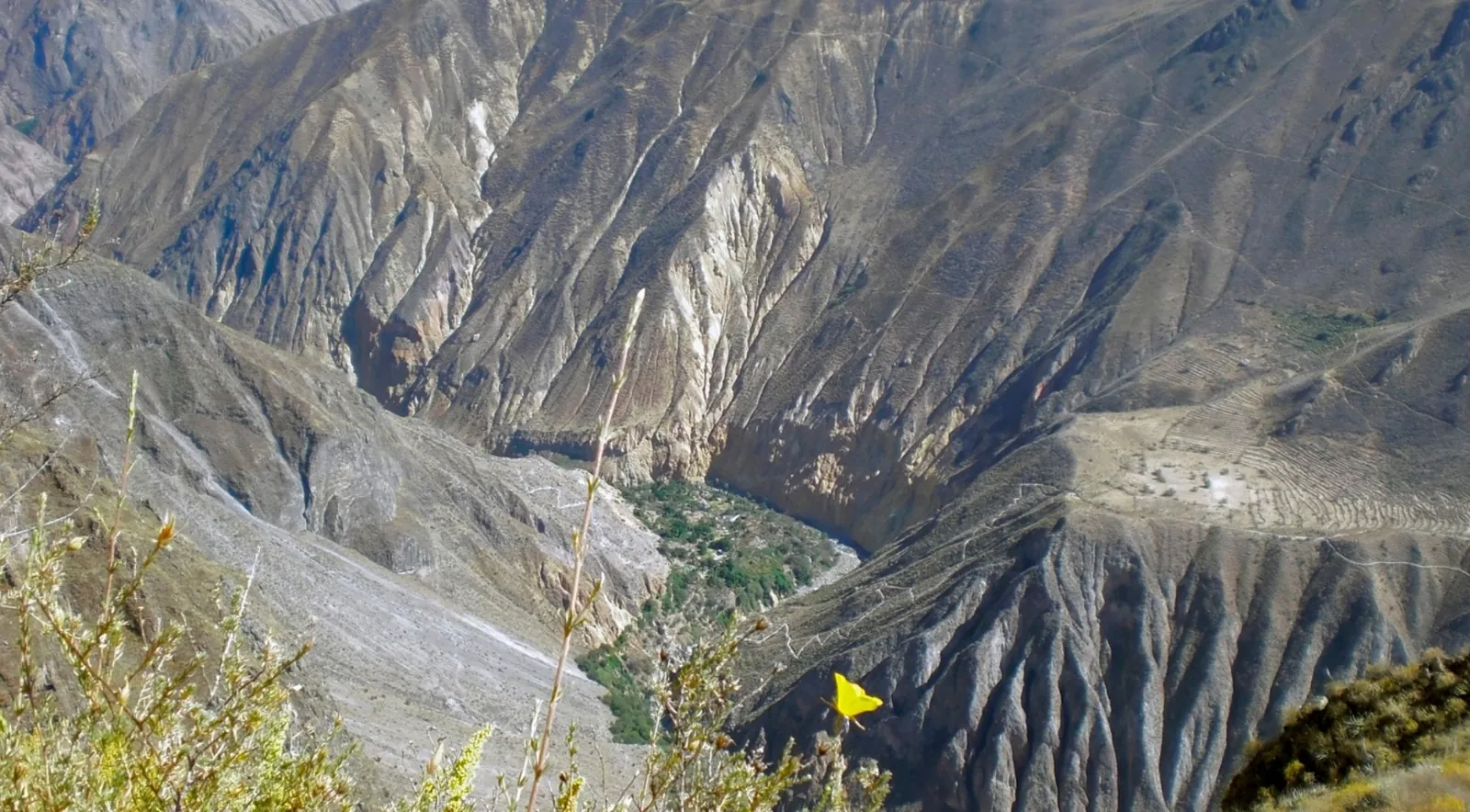
The canyon looks different from a trail than from a roadside viewpoint. Guided treks descend into settlements and the Sangalle area, then climb back towards Cabanaconde. That return ascent is the central physical commitment. Adding a day can spread the walking, but does not remove the climb.
Our trekking guide separates the two-day trek from the three-day route. Read the option labels carefully: the basic Tangol two-day booking is transport and guiding, while accommodation and specified meals depend on the option. A low starting fare is not a reliable comparison with an inclusive trek until you add the missing costs.
For a practical assessment, read trek difficulty and what to pack. Choose sightseeing if steep descents, a sustained ascent or basic overnight facilities do not fit your holiday. A guide can organise the route; they cannot make a demanding hike effortless.
Continue to Puno without returning to Arequipa
The Arequipa–Colca–Puno route solves a useful itinerary problem: visiting the canyon while moving towards Lake Titicaca. The verified two-day Arequipa-to-Puno tour includes guiding and transport but excludes overnight accommodation and meals. Arrange the Chivay night rather than assuming a room comes with the tour name.
A same-day Puno connection is more compressed. You need to accept the early start and a late finish, and confirm luggage handling when changing vehicles. Travelling in the opposite direction requires a tour starting in Puno; booking the right destination in the wrong direction will not solve your transport needs.
Budget for what is outside the headline fare
Tour prices and the Colca tourist ticket are separate items unless your selected product says otherwise. AUTOCOLCA’s official fee page lists adult admission categories of S/70 for other foreign visitors, S/40 for eligible Latin American visitors and S/20 for Peruvian citizens. Bring identification and check your eligibility. Thermal-bath entry is also commonly separate.
Our tour-price guide brings together the questions to ask about food, rooms, admission and transfers. Prices displayed here are rounded whole amounts, checked against the linked listing; your chosen date and option determine the checkout price.
Plan around altitude and the season
Even a tour without trekking reaches high Andean roads. Plan time to acclimatise and read the altitude guidance, particularly if you are arriving from sea level. Personal medical questions belong with a clinician who understands high-altitude travel.
For weather, start with the best-time guide. The drier months generally make outdoor planning easier; rainy-season trekking requires current trail information and flexibility. No seasonal label guarantees a clear viewpoint or safe trail on your date.
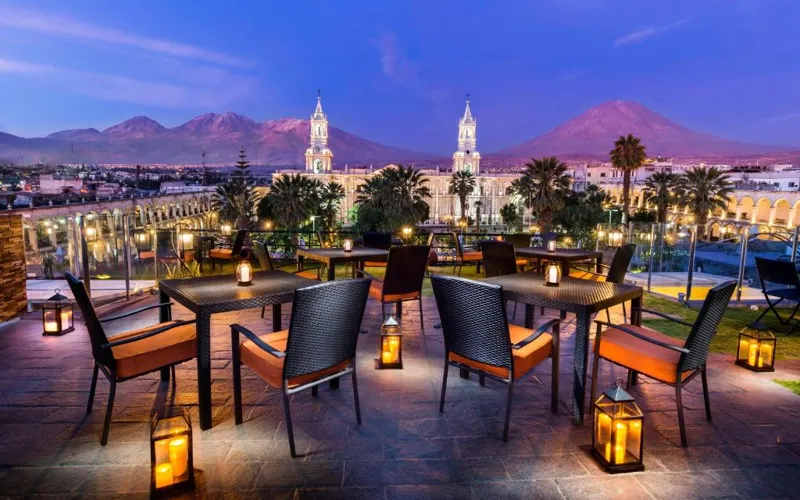
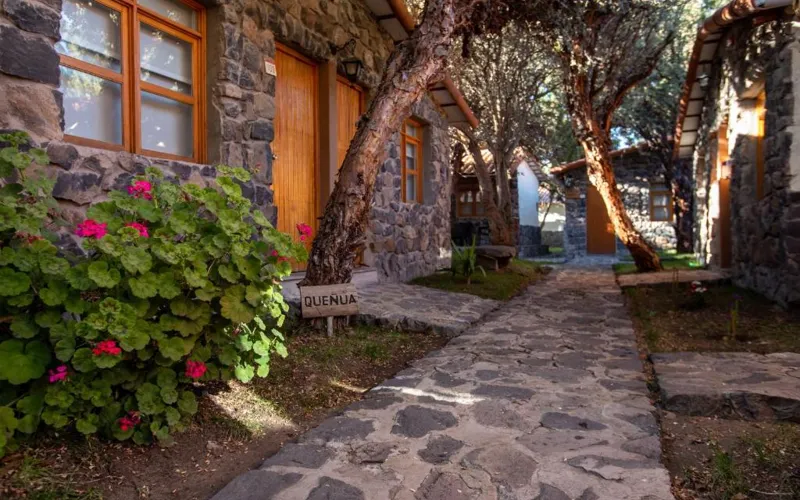
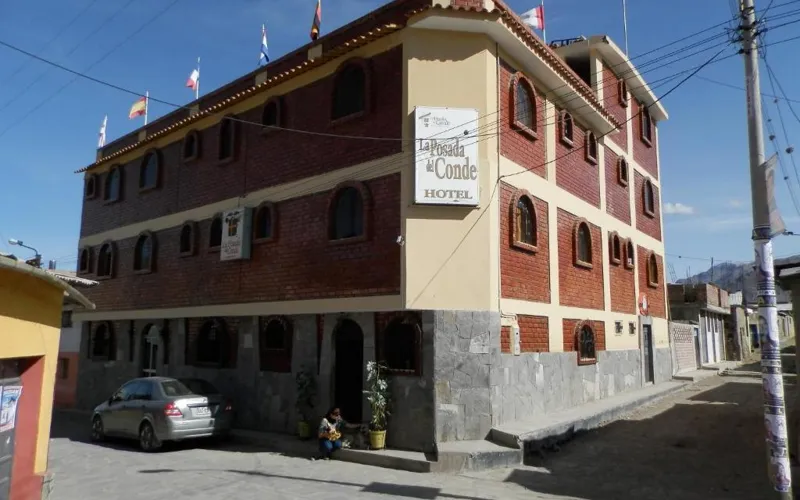
Finally, make your accommodation work with the route. Arequipa is the departure base, Chivay is useful for overnight sightseeing and connections, and Cabanaconde serves canyon hiking plans. Compare these with Yanque in the where-to-stay guide before reserving a room you cannot conveniently reach.