Decide what you want to do independently
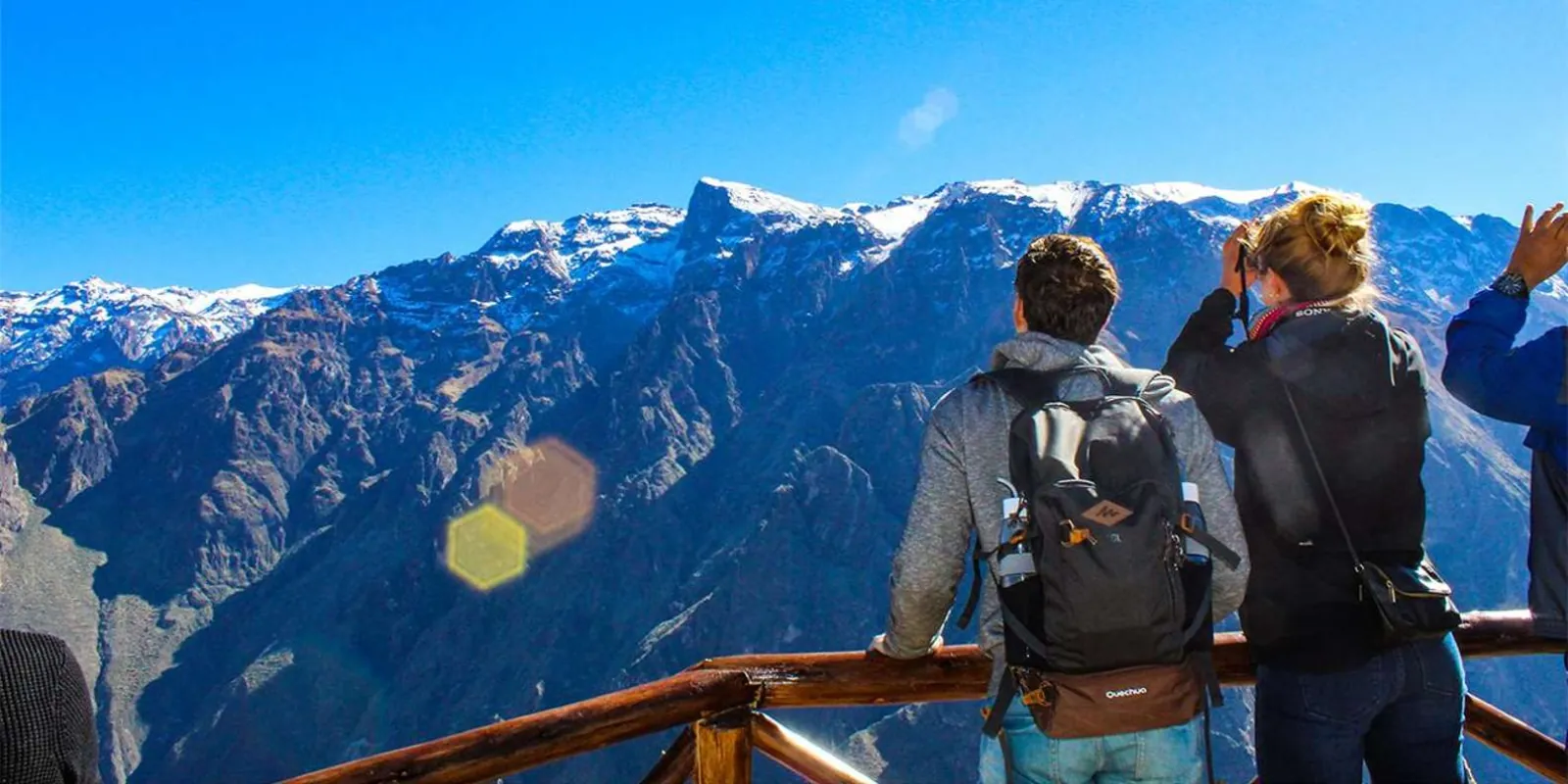
You can separate three decisions: getting to the valley, exploring villages and viewpoints, and hiking into the canyon. Arranging your own hotel does not mean you must also hike without a guide. Equally, taking public transport to a village does not provide a guaranteed ride onward to every viewpoint.
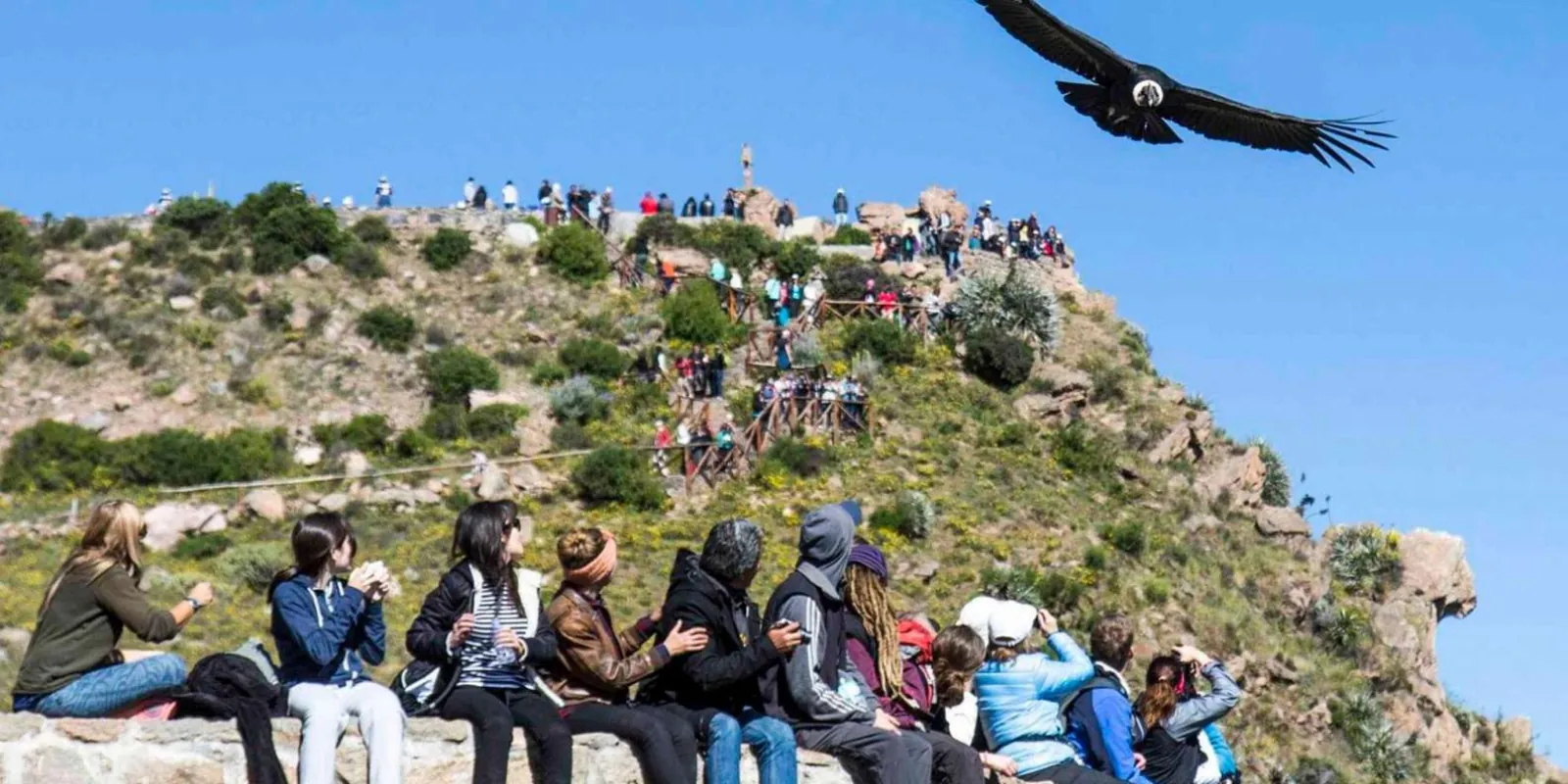
Start with a clear overnight base and one main objective. If the aim is seeing Cruz del Cóndor, arrange transport there and back before relying on an improvised return. If the aim is a canyon trek, plan the route and overnight stops as a distinct hiking project.
| Independent plan | You arrange | Main planning limit |
|---|
| Village stay | Bus or shuttle and hotel | Last arrival and onward connections |
| Viewpoint excursion | Local transport and return | Waiting time and availability |
| Canyon trek | Route, lodges, food and exit plan | Terrain, conditions and navigation |
| Colca then Puno | A separate onward connection | Luggage and transfer timing |
Make the transport plan concrete
Use the Arequipa transport guide to choose between Chivay and Cabanaconde before checking services. Confirm the current timetable and terminal directly. Do not build the itinerary around an old blog’s departure time or assume a bus serves the exact place where your accommodation is located.
Ask your hotel whether it can help arrange local transport, and request the price and collection point before agreeing. Keep enough flexibility for a missed or changed connection. If your available time is only one day, an organized excursion can be a more practical use of that day than coordinating several independent legs.
Independent sightseeing still has costs
Budget for the tourist ticket, meals, accommodation, local rides and any optional attraction admission. AUTOCOLCA administers the circuit ticket; transport and guiding are separate services. Keep your identification and ticket accessible for checks.
Compare your complete plan with the full-day Colca sightseeing tour. The useful comparison is the same destinations and overnight requirements, not a tour rate versus a single bus fare. Independence may be worth paying more for if you value control over your schedule.
Hiking adds another layer of responsibility
Before descending, confirm current route conditions locally, daylight, your night’s lodging, water arrangements and the next day’s exit. Carry a reliable offline route and the equipment to manage a delay. Do not expect continuous phone reception or assume another group will provide navigation or assistance.
If you want to walk but prefer logistical support, consider the guided two-day canyon trek. Read the selected option carefully because accommodation and meals may not be bundled with the basic package. Our trek difficulty guide helps assess the physical commitment regardless of whether you hire a guide.
Choose a flexible compromise
A useful middle ground is independent accommodation with a prearranged guided outing, provided transport and meeting arrangements are clear. Another is arriving a day before an agreed trek rather than trying to connect a bus directly to its start. Get any nonstandard arrangement confirmed by the operator before paying.
Independent travel is a good fit when organizing the details is part of what you enjoy and you have time to adapt. If uncertainty about buses, route conditions or return transport would dominate the visit, a tour may better serve the same goal. Your choice should reflect how you want to spend your time, rather than an expectation that independent travel is inherently the more authentic option.